

7 Signs You Need To Replace Your Home’s Flooring
Sometimes changing flooring is a matter of necessity, rather than choice.
For instance, if you’ve just moved into a new home, you don’t always know the history of the floors, like when they were installed, whether a professional installed them, or how often they are maintained. Even if you have all the answers to this question, sometimes you can just tell by looking at your hardwood, tile, laminate, or carpet that it’s time to replace it.
Which then begs the question, what are the telltale signs that your flooring needs to be ripped up and replaced?
As experienced flooring contractors with over 20 years in the industry, we’ve identified the top 7 signs that indicate you need new flooring.
7 Signs You Need New Floors

Excessive Wear and Tear
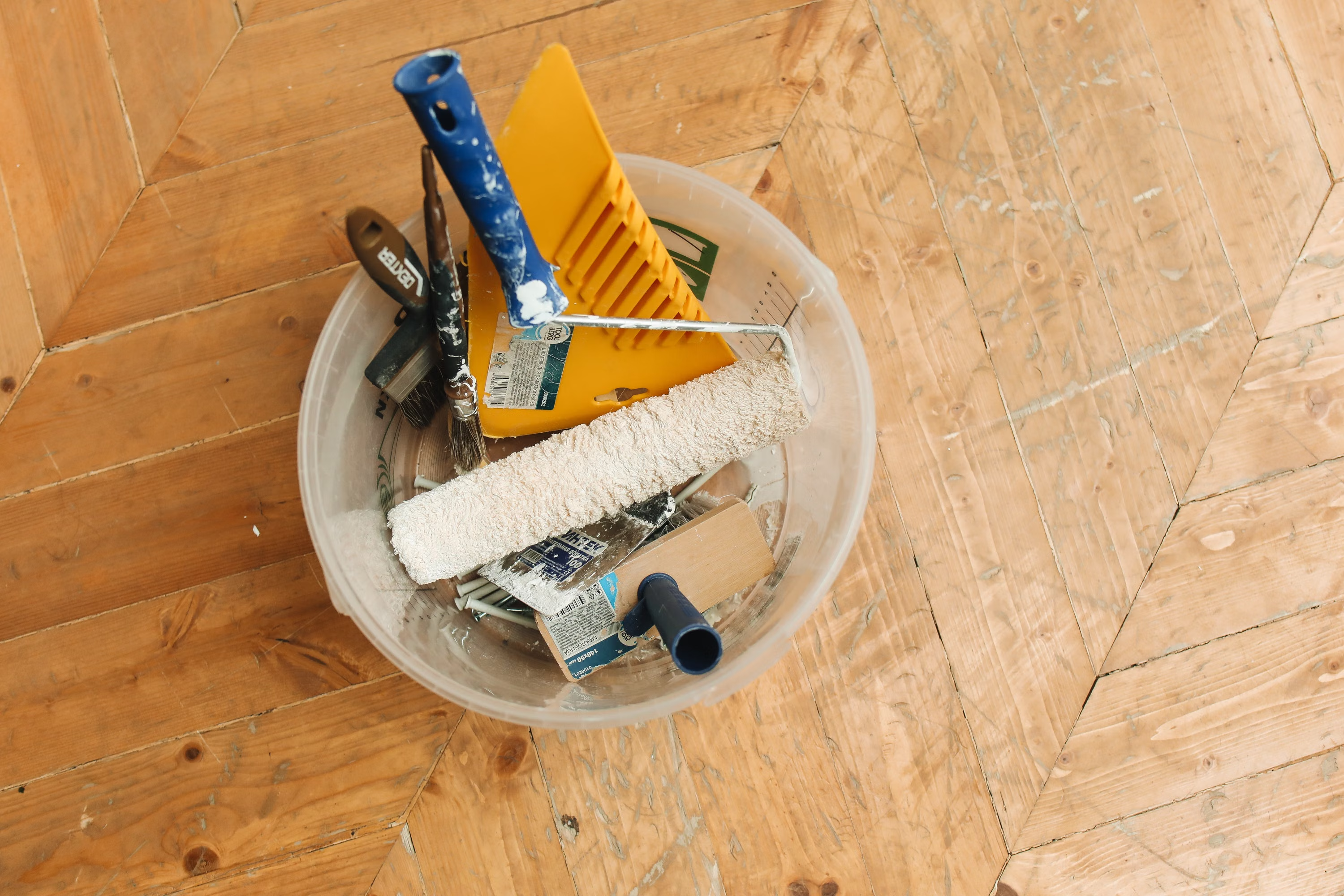
The most common indicator that your flooring is no longer functioning as it should is visible signs of wear and tear, such as scratches, dings, dents, or discolouration.
- Hardwood: Signs of failing hardwood include being sanded and refinished multiple times, becoming thin or showing deep scratches, dents, or severe discoloration.
- Tile: Failing tile will have chips, cracks, dents, or discoloration. You may also notice the grout colour has changed or the grout itself is chipping away.
- Laminate: Aged laminate or luxury vinyl plank floors will show scratches, dents, and discoloration. They may also lose their top-layer sheen and appear dull.
- Carpet: If the carpet is stained, threadbare, or dented from heavy furnishings.
Noticeable Water Damage
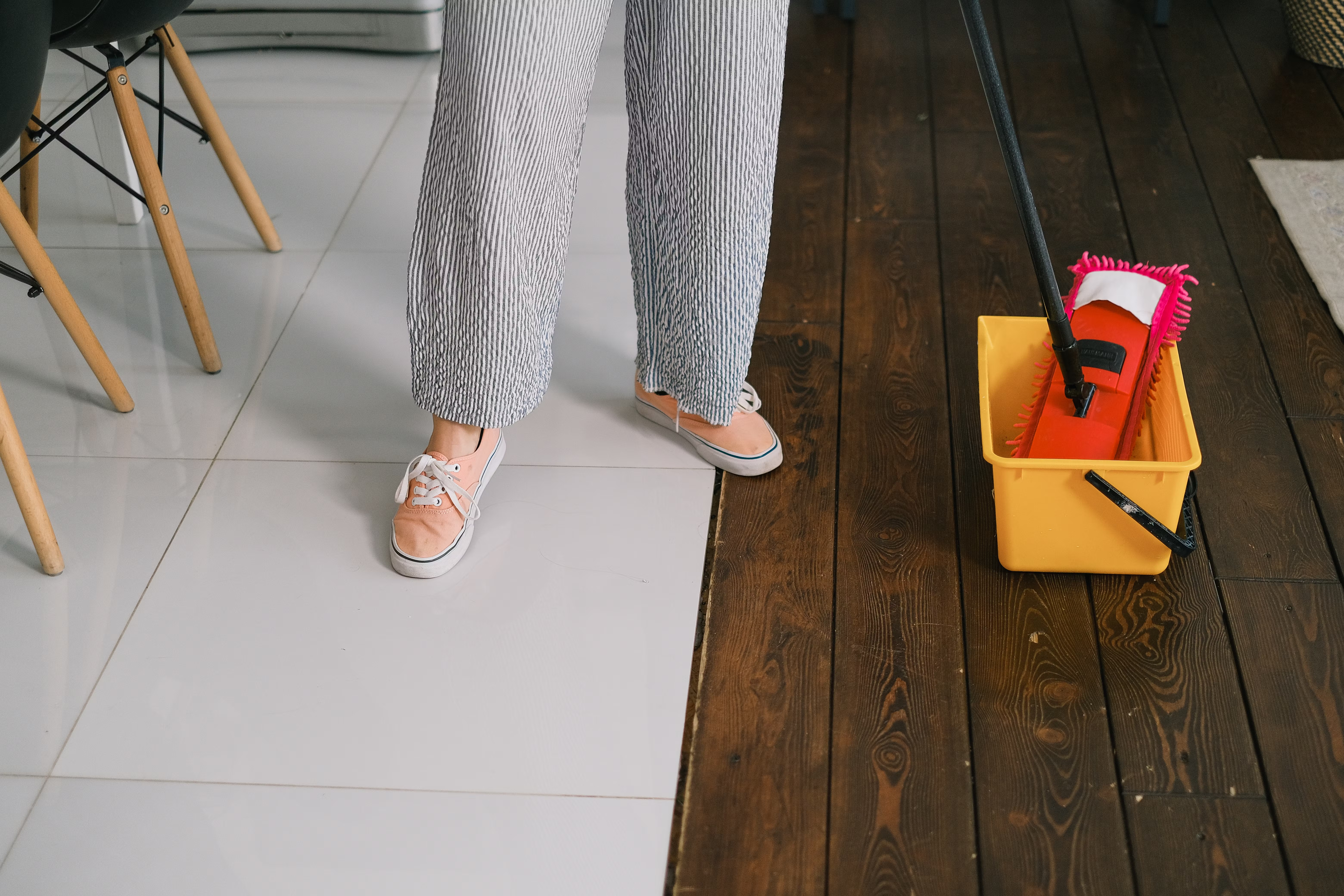
Water damage is especially problematic in areas that regularly experience moisture, such as kitchens, dining rooms, bathrooms, hallways, and basements. As experienced flooring contractors, we get a lot of consultations about water-damaged flooring and what to do about it.
- Hardwood: Badly water-damaged wood will present with warping boards, a strong mildew smell, stains, or soft spots.
- Tile: You’ll notice failing tiles when they smell, the grout is failing, there is bubbling on the surface, there is a hollow sound (you can check by tapping a coin against the tile), or there is discoloration.
- Laminate: Laminate fails like hardwood, as the boards will warp, buckle, and smell noticeably of mildew.
- Carpet: If there are impossible-to-lift stains, strong mildew smells that may be accompanied by an uptick in allergies, mould spots, or the padding has collapsed, all indicate it’s time to replace the carpet.
Gaps

If you notice the boards or tiles are separating, it means there is a problem. Unfortunately, the only solution to gaps is full replacement.
Gaps are an indicator that the flooring has been compromised by one of the following reasons:
- Installation Issue: If the floors were initially laid incorrectly, this will lead to gaps.
- Structural Movement: If the home settles or the floors are installed tightly, which does not allow for any movement, it will cause gaps.
- Moisture Problem: Lastly, gaps can also be caused by moisture beneath the flooring
Strong Smell
Your floors, apart from the brand-new carpet (it has a slight “new carpet smell”), should not smell at all. If you can smell your flooring, it needs immediate replacement. Another telltale sign that accompanies strong smells is allergies. If both a strong smell and allergic reactions occur, you need to replace the floors immediately.
- Hardwood: If your hardwood smells musty, then it’s time to call a flooring contractor to replace it. Musty smells are an indicator of water damage or age.
- Tile: Bad tiles may smell musty or mildewy even after cleaning.
- Laminate: You shouldn’t smell laminate floors, apart from brand-new ones, so if, after cleaning them, they have an odour and visible signs of age, like deep scratches, then it’s time to replace them.
- Carpet: If your carpet smells like mildew or smoke, or it just plain stinks, consider updating your flooring.
Noisy Floors
Do your floors sound like something you’d hear on a horror movie soundtrack? Are they groaning or creaking when you’re walking across them? If so, it means there is a structural issue at play, such as improper installation. The only real solution is to identify and remove the source of the noise in the floorboards, then fix the underlying cause before installing new ones.
Just remember, certain floors, like hardwood or laminate, can have a natural sound when you walk across them. If you’re not sure whether your floor noises are normal, why not call an experienced flooring contractor, like the Brothers Flooring, for a free consultation? Let them help you determine whether your floors need replacing.
Uneven Floor Height
Are your floors like walking through a valley, with ups and downs? If so, that means you have a subfloor issue, as your floors should be fairly level. Uneven flooring also leads to other problems, such as:
- Gaps or separation between boards or tiles.
- Noisy floors.
- Potential trips and falls.
If you want to check into whether your uneven floors need quick replacement, you can also get a second opinion by calling a flooring expert to assess them. Most reputable companies may even offer free consultations.
Repairs Aren’t Working

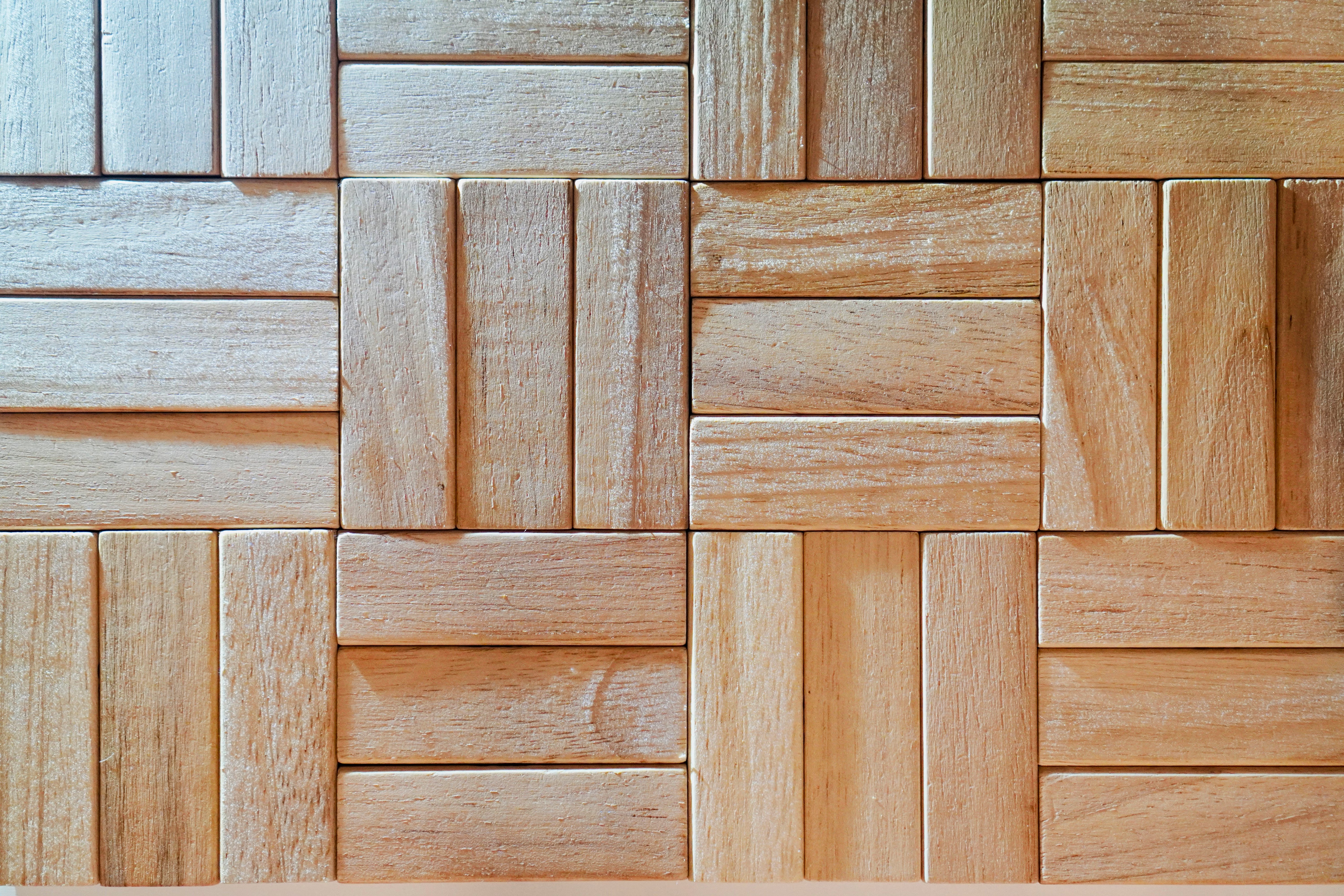
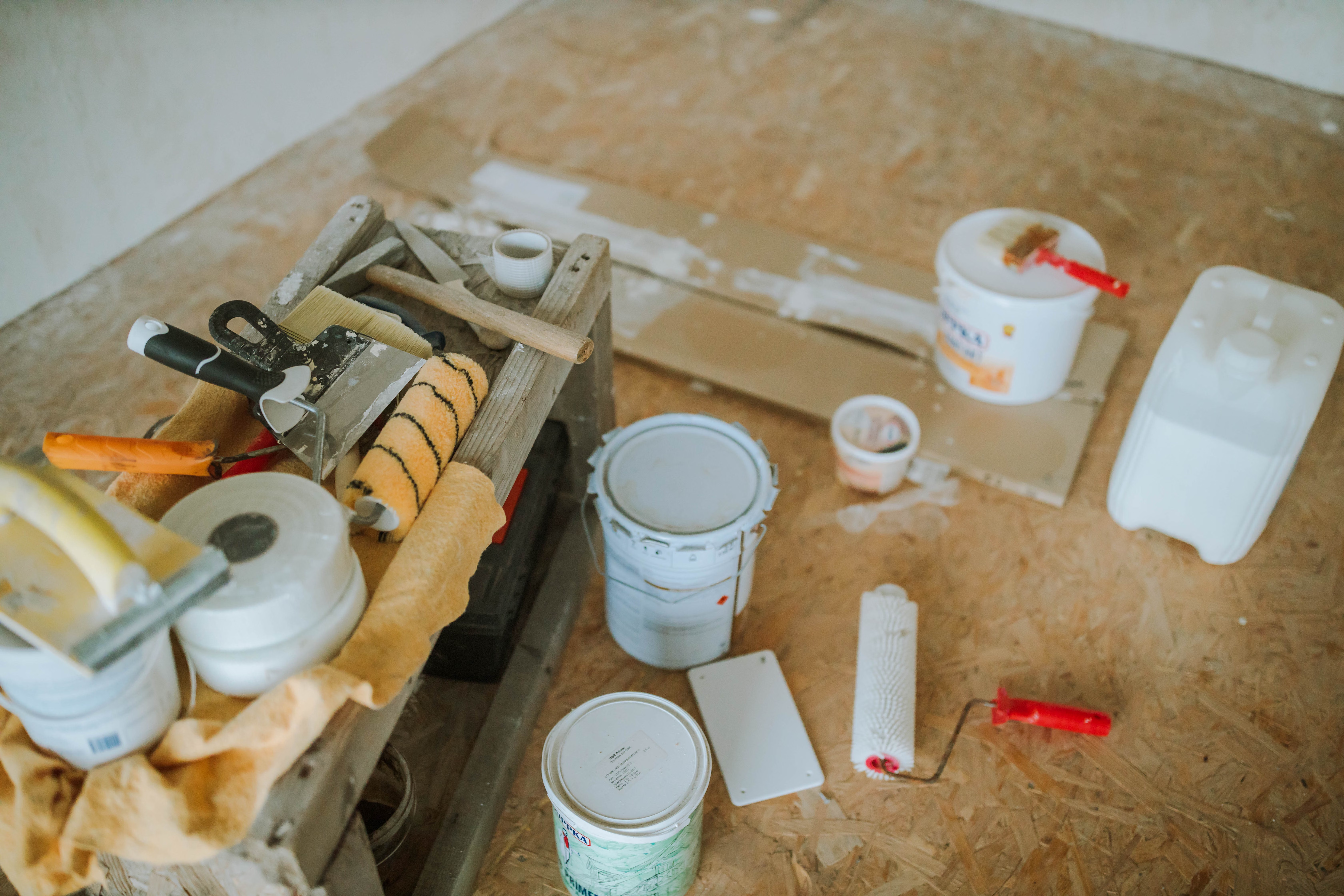

Lastly, if you’ve done everything to remedy the problems with your floors but nothing seems to be helping, then that is a telltale sign that your floors need replacing. Remember, all flooring materials require routine maintenance, so as you care for your floors, monitor and address any concerns.
- Hardwood: Wear and tear becomes a real concern only if you’ve maxed out the number of refinishes you can do to address surface imperfections.
- Tile: Tile is easy to maintain; just repair tile and grout issues as they arise and reseal it regularly to protect it from moisture. If, however, the tile or grout is cracking in multiple spots, the floor’s integrity is compromised.
- Laminate: Unlike hardwood, laminate or luxury vinyl plank boards cannot be refinished. However, you can seal minor scratches and dents to prevent further damage. Beyond that, if you notice excessive wear and tear, then there is nothing you can do but replace them.
- Carpet: Unlike other flooring materials, repairing carpet is not easily done. If you notice it’s threadbare, then unfortunately, the only solution is replacement.
When To Replace Your Floors
Sometimes, flooring is beyond saving, such as when it smells or separates. Unfortunately, if your flooring shows any of these 7 red flags, it will most likely need to be replaced immediately. You can also confirm your suspicions by calling a reputable flooring contractor to assess whether it can be salvaged.
For a second opinion on whether your flooring needs replacement, give us at the Brothers Flooring a call today for a free consultation!
It is never fun when you aren’t anticipating the added expense of replacing a floor, but consider it an opportunity to update your space’s look. Even on a tight budget, you can choose DIY flooring, like laminate, to refresh your room. But if you have a more flexible budget that covers labour costs for installing hardwood or tiles, it can be a good time to redesign the space. So don’t look down upon needing new floors; see it as an opportunity to update and love your room again.


